
Finding Fairborn Residents
Specific questions get the best results in a Fairborn residents directory search. Property ownership starts with the Greene County Auditor. That office ties an owner name or a component address to a parcel, a property address, and a legal description. Voter questions belong in Ohio's lookup. Court matters follow the party name or case number. Family history may lead elsewhere. Try the Greene County Room or the Records Center & Archives. None of these is a master list of every household.
Match people through two independent records. An owner name plus a legal description supports a property link. A dated directory entry paired with a historical map backs an older address lead. A case number with its docket entry confirms a court record. Mailing addresses, registration results, and directory listings each mean different things. One cannot stand in for another.
- Start with the most precise known fact, such as a full name, street address, event year, or case number.
- Use the Auditor’s owner or address route to identify a parcel and its legal description when property is involved.
- Follow recorded land documents through the Recorder, then move to the counter or Archives when the online index ends.
- Use the voter, court, probate, or vital-record route only for the distinct question each source can answer.
- For older Fairborn material, search Fairborn, Fairfield, and Osborn before treating a blank result as final.
Fairborn Parcel Records First
For a current Fairborn property question, the Greene County Auditor owner search and its address search are the practical first stops. The county maintains more than 73,000 parcels. Its public real-estate information covers ownership, property address, legal description, building description, values, tax factors, and transfer context. A parcel card is valuable because it gives a durable land identity. It cannot prove that everyone tied to the address lives there today.
The owner screen separates a name value, a tax year, and Real Estate or Manufactured Home choices. A no-result under one property type does not mean no local record exists. The address screen works by components. A direction, suffix, unit, or locality selection can change the match. Start broad for a street and add components only as needed.
| Auditor field | How it narrows a Fairborn search |
|---|---|
| Tax Year | Selects the assessment view used for comparison. |
| Street Number, Direction, Street, Suffix | Builds the physical address one component at a time. |
| Unit Designator and Unit | Separates unit-level addresses when the record uses them. |
| City, State ZipCode | Narrows locality context but does not prove a city boundary. |
| Property Type | Lets the search include Real Estate or Manufactured Home records. |
Note: A Fairborn mailing label, a situs address, and a legal description can differ, so copy the parcel ID and legal description before tracing a deed.
Fairborn Resident Records Offices
Greene County offices supply the core evidence behind any Fairborn residents directory search. The Recorder keeps recorded land documents, and its web index begins in 1984. The Auditor anchors the current parcel. The Clerk's Legal Division preserves Common Pleas filings, while Probate handles estates and marriage matters. The Archives holds older county material, though it is not a complete online image bank. An online screen cannot answer every question. Each office then offers a counter, phone, or reading-room route.
The complete Fairborn street-directory workflow keeps the Auditor, GIMS, Recorder, city-request, and historical criss-cross routes distinct.
Fairborn Recorder Name Trails
The Recorder indexes recorded documents to help establish a chain of title. The chain of title is the documented ownership history of land. Its deeds reach from 1803 to the present, though the online index begins in 1984. For a current parcel, carry the Auditor's legal description to the Recorder. Look there for the recorded parties, the document date, and prior-reference information. The legal description is the bridge whenever a street label or number changes.
Older work shifts to the Recorder counter and the Records Center & Archives. The Archives holds transcribed deeds for 1804 through 1864, plus historical direct and reverse indexes. A grantee is the purchaser named in a deed. A grantor is the seller. Moving back through a deed trail usually means finding the current seller as an earlier grantee. That is why a blank web result before 1984 marks an access boundary. It is not proof that land records are missing.
Use the Recorder document-search entry point before turning to the historical fallback. The official Recorder screen provides the public route. The office and the Archives supply the older index volumes and document access.
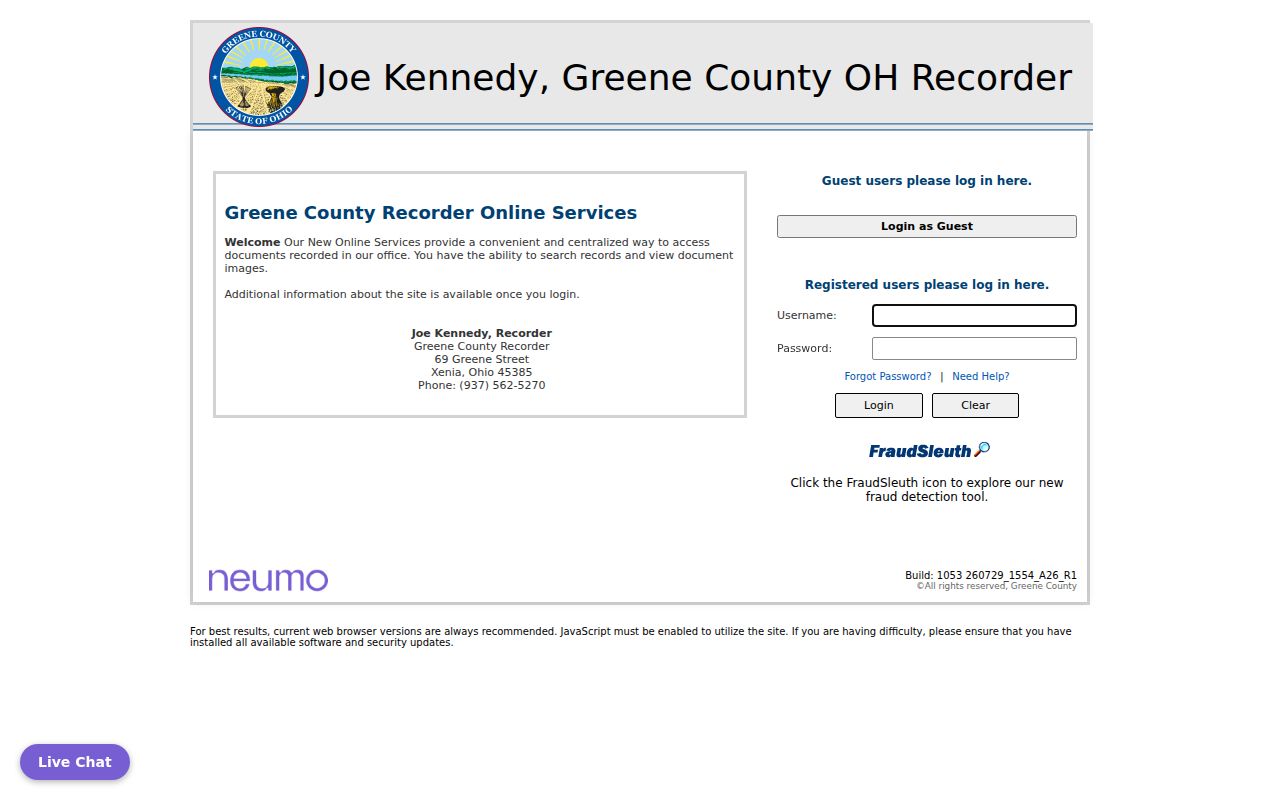
The Recorder page shows the split between the current online entry point and the counter-and-archive route that earlier Fairborn documents require.
Fairborn Court Lookup Routes
A docket can tie a name to a case. It never amounts to a full resident profile. Greene County CourtView covers clerk docket information from 1982 forward. Updates run every 24 hours, pausing on weekends and legal holidays. No public docket images appear online. Search by name or case number. Combining the two is not supported. Pre-1982 records and some protection-order categories are excluded. Fairborn Municipal Court is different. Its name field wants last name, comma, then first and middle name. Numeric case and ticket routes are there too, along with hearing-date and file-date controls. Probate handles estates, guardianships, trusts, land sales, and marriage proceedings. When an online index runs old, incomplete, or restricted, the court clerk or custodian can explain how to get existing records and copies. The CourtView public docket below shows what the system displays; match any result by case number and date, and back it with one independent record rather than a name alone.
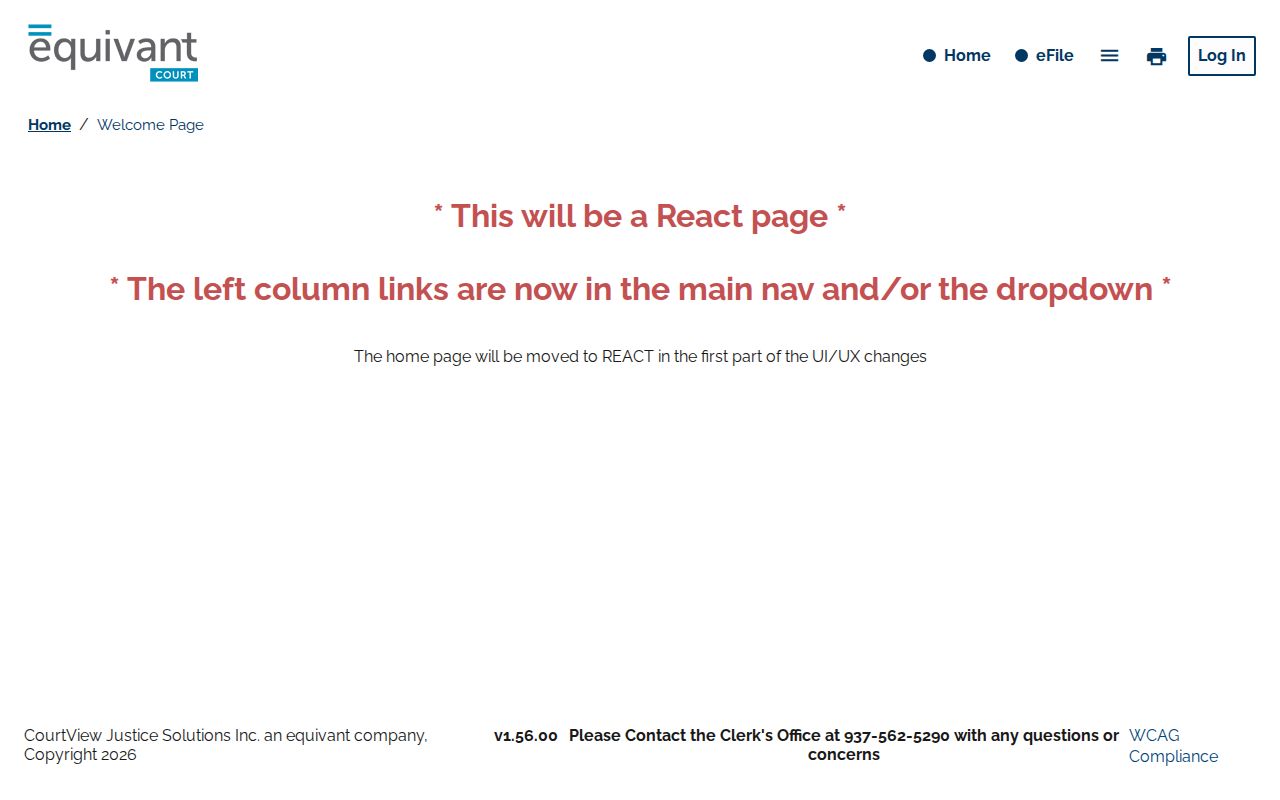
The no-image limit matters here. A docket listing can point you toward a case, but official copies still follow the court's own process.
Current Fairborn Resident Directories
Directory-style records for Fairborn live in separate offices because each serves a different public function. The Auditor tracks ownership and parcel facts. The Recorder indexes parties to recorded documents. Ohio's voter tool checks registration and precinct details for a supplied name and county. Court indexes name cases, not households. A careful Fairborn directory search treats each output as limited evidence and notes the source date.
| Record source | What it can confirm | Fairborn route | Access limit |
|---|---|---|---|
| Auditor property roll | Owner, parcel, property address, legal description | Greene County Auditor | Not a full occupant roster |
| Recorder document index | Recorded-party and land-document lead | Recorder search and counter | Web index begins in 1984 |
| Voter lookup | Registration, precinct, polling information | Ohio My Voter Information | Protected fields remain excluded |
| Court dockets | Case-party and docket lead | CourtView or Municipal Court | Restricted and older material varies |
| Probate and archives | Estate or historical-family lead | Probate Court and Archives | Confidential matters stay restricted |
One person is a narrower question. Turn to the focused Fairborn resident lookup workflow, which keeps property, voter, court, vital, and specialist routes in separate lanes.
Fairborn Voter Record Limits
Ohio My Voter Information asks for a first name, last name, and county. Pick Greene for the Fairborn route. The tool exists to confirm registration and precinct. If a precise lookup fails, the page suggests looser moves: check spelling, try derivative first names, former names, or a prior Ohio address. It is not a street-by-street browse tool. Ohio Revised Code Chapter 3503 makes registration forms and the statewide database public records, with exclusions. Social Security data, driver and state-ID numbers, phone numbers, email, confidential registrations, and protected addresses stay out. Precinct lists follow their own Board-office rules. Ballot choices are never public. A missing result belongs with the elections office. Never try to reconstruct protected details. The official voter search below is built entirely on name and county inputs. That design is exactly why it cannot serve as a general Fairborn household list.
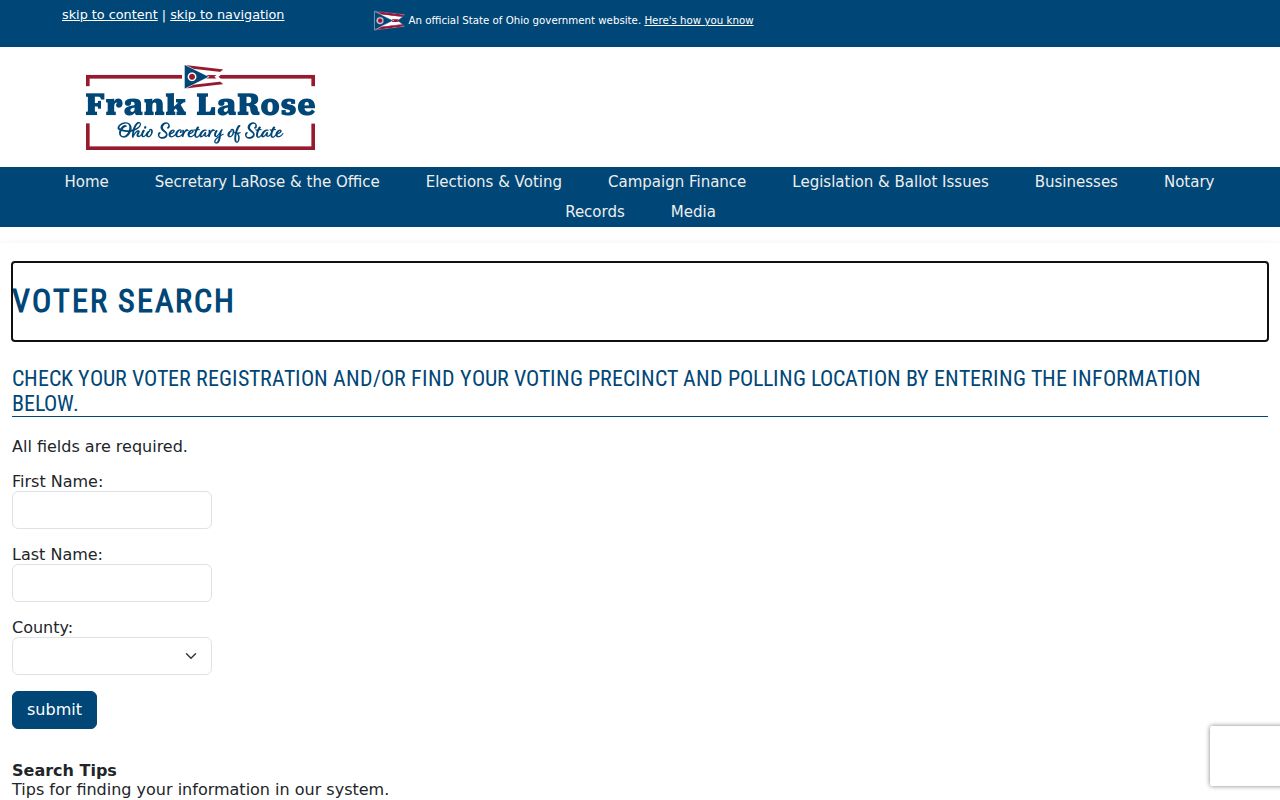
Requiring names keeps the check narrow and privacy intact. The statute's exclusions do the rest.
Fairborn Records Request Route
Ohio's Public Records Act, R.C. 149.43, opens the door when no online index exists. It covers existing county and city records. Inspection should be prompt. Copies are due within a reasonable period, since timing depends on the request's scope, retrieval, review, redaction, and any legal advice. Ordinary inspection costs nothing. An office may charge actual copying, supply, postage, or delivery costs. Staff time cannot be billed as a copy charge. Fairborn's city policy accepts oral or written requests. Records can be inspected in person, picked up, or delivered by mail, fax, or email. Central city records sit with the Clerk of Council. Department heads keep their own. For a Fairborn permit, planning, zoning, inspection, or code matter, name the record category, the address, and a bounded date span. The county building department does not cover Fairborn City. The county's public-record request route offers a separate access channel. A custodian may explain how records are maintained or ask that an overbroad request be narrowed, but the office need not create a new list or conduct research.
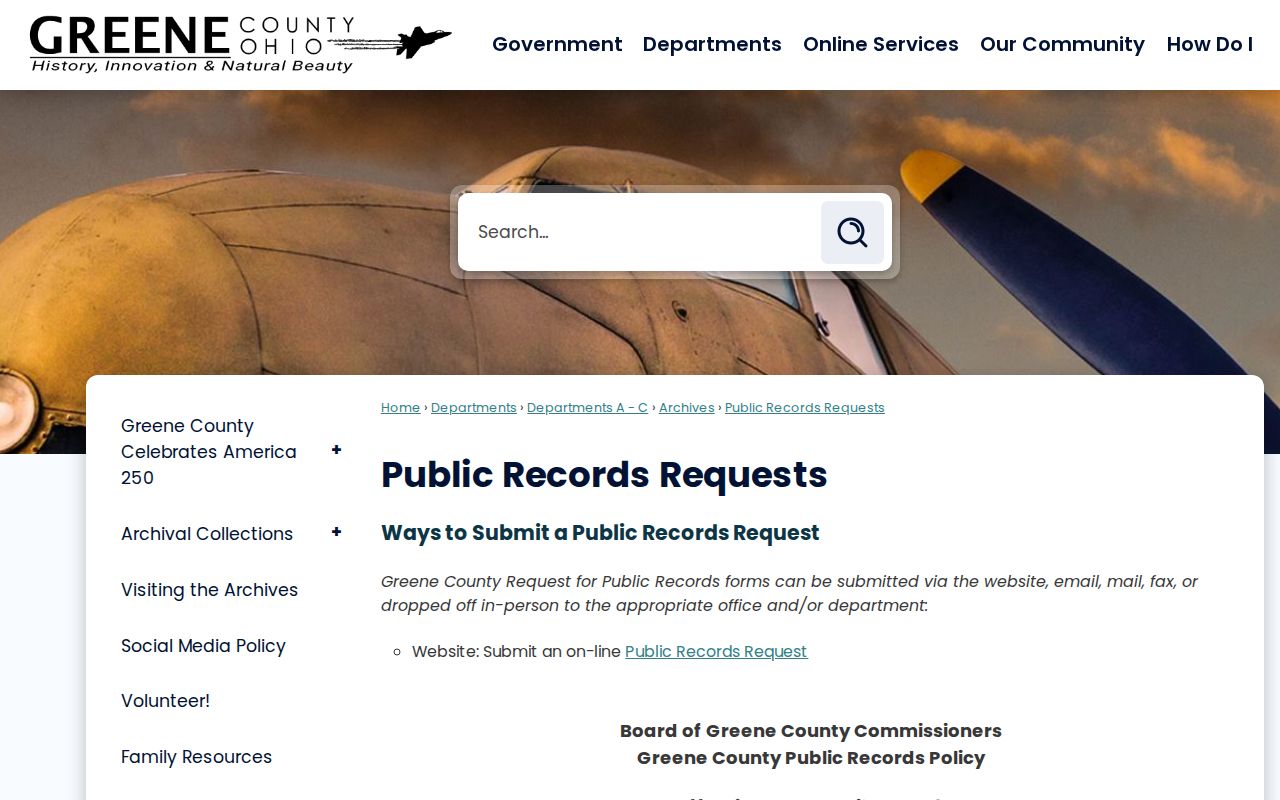
Requests work best with specifics. Name the existing record, its likely custodian, a location or identifier, and a realistic date range.
Fairborn Library Directory Shelf
The historical shelf lives at the Greene County Room inside Xenia Community Library, not the Fairborn branch. Local-history librarians staff the room. A physical catalog, digital collections, and Monday-through-Saturday noon-to-5 hours round out access. The room's January 2026 introduction notes city directories reaching back to 1870 and newspaper microfilm to 1814. Archival material does not circulate. Staff help is part of the visit. A City Directory or Criss-Cross entry can connect a historical address to a listed person within one edition, but that is only a lead, not proof of a complete household or a current residence. Ancestry Library Edition is free in the building. Census, vital-record, directory, and photograph material sits in the collection too. Letter research requests may get limited assistance. Copies run 25 cents a page. The Greene County Room collection is pictured below. The library route pays off once a current record surfaces an older address or family name.
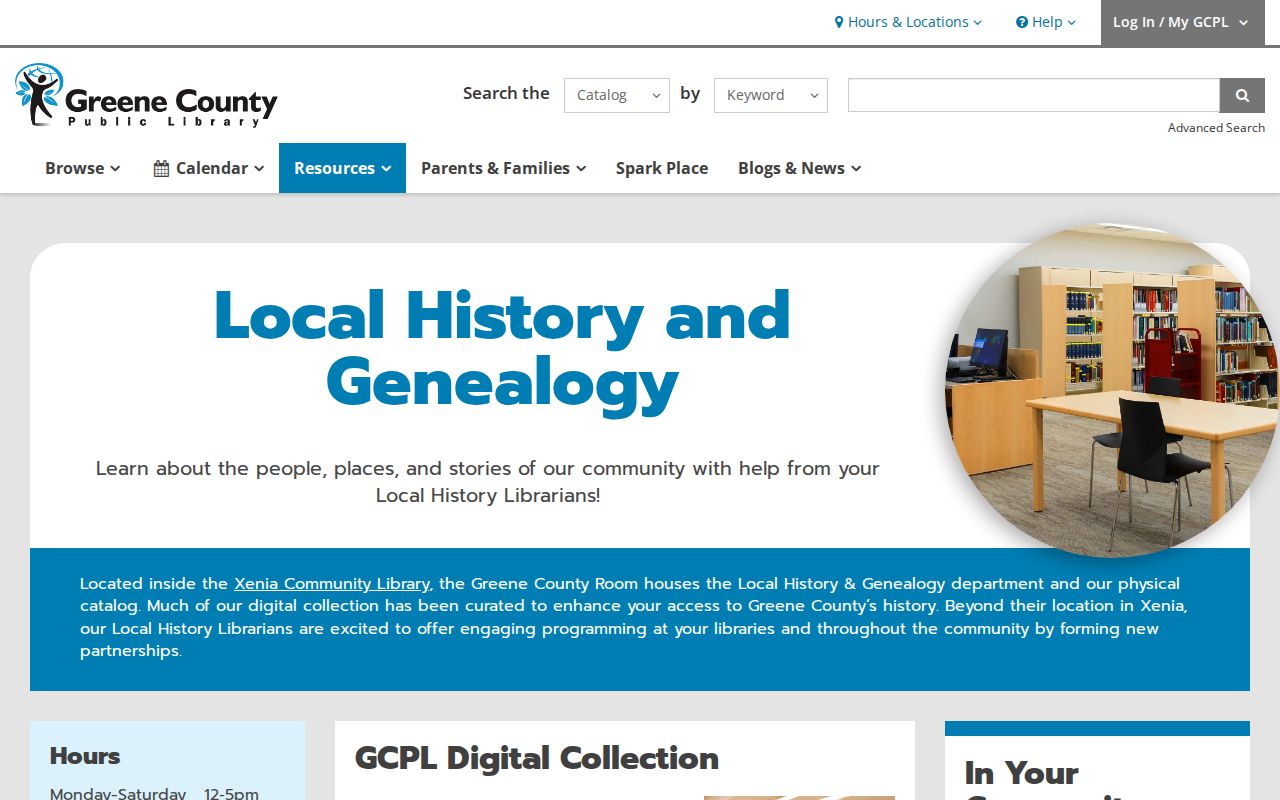
Old questions sometimes outlast current portals. Local-history staff, microfilm, a physical catalog, and directory volumes are the documented fallback.
Fairborn Osborn Address History
Old searches in Fairborn hit a naming snag. The original town of Osborn sat in the Huffman Dam flood basin. After the March 1913 flood and later dam work, the community relocated two miles southeast near Fairfield. In 1950 the two towns merged as Fairborn. A map, deed, cemetery entry, or newspaper item from before 1950 may sit under Osborn, Fairfield, or Osborn/Fairfield instead of Fairborn.
Dated maps beat guesswork here. The Archives map inventory lists an Osborn/Fairfield Bath Township map from 1922, and Fairfield maps from 1925, 1934, and 1948. It also lists Osborn maps from 1934, 1942, and 1948, and then a Fairborn map from 1950. Line up the old map, the lot or plat, and the legal description before deciding an old listing matches a modern address. The town physically moved. A similar street name can describe a spot in a different geographic relationship altogether.
- Parcel
- The assessment and tax-map unit tied to a property record.
- Legal description
- The deed or plat identity of land, which can outlast a street-name or number change.
- Criss-cross directory
- A historical directory arranged by address to show the listed occupant for that edition.
- Index
- A finding tool that points to a record; it is not always the record image or certified copy.
Fairborn Vital and Probate Trails
Vital and probate records answer questions about life events, estates, and family ties. They do not cover current addresses. Greene County Public Health keeps birth and death records from 1909 to the present. The Archives holds earlier indexes. Births there run from 1869 through 1909. Deaths run from 1870 through 1909. Under R.C. 3705.23, a certified vital copy requires a signed application and fee unless a statutory exception applies. The medical-and-health-use portion of a birth record stays restricted.
Probate Court handles local marriages and estates. The county routes marriage searches from October 1991 forward through Probate. It points older material to the Archives digital repository. A different official county page describes a 1983-to-present marriage-search reach. Confirm the live route for your year. Closed wills and estates rest at the Archives. Active estate matters stay with Probate.
Fairborn Privacy Boundaries
Public records have hard limits. Ohio Safe at Home gives eligible survivors a substitute address for voter registration and government mail, plus special real-estate protection for property acquired after enrollment. Confidential voter records, protected public-service-worker addresses, sealed court material, protection-order categories, restricted vital-record portions, motor-vehicle personal data, utility data, and delivery data are not routes for building out a person record.
Lawful use. Fairborn records are for personal, family-history, estate, civic, property, and safety questions. Never use a name, address, map, or record to stalk, harass, threaten, or harm another person.
An inaccurate official record gets fixed at the source. Contact the office that created it and keep the document, parcel, or case identifier handy. A commercial directory opt-out does not alter a Recorder deed. It also leaves court dockets, tax records, and voter registrations untouched. Ohio's Attorney General outlines practical privacy steps and a Consumer Protection contact. No universal Ohio data-broker deletion statute exists.
Historical Fairborn Resident Directories
Historical Fairborn resident directories work best alongside a year. They also pair well with an old locality label, a map, and a second source. The Greene County Room holds the documented local-history route. The Records Center & Archives catalog adds collection descriptions, reading-room access, and remote-request options. Its search supports quoted phrases, date filters, wildcards, and exclusions. Catalog results, though, do not promise digitized images of every item.
A directory year can show a printed listing at an address. It can also show an occupation notation in that edition. It cannot prove every household member lived there, that a person stayed, or that the modern street number marks the same place. The full collection-and-reading method appears on the Fairborn city directory page.